

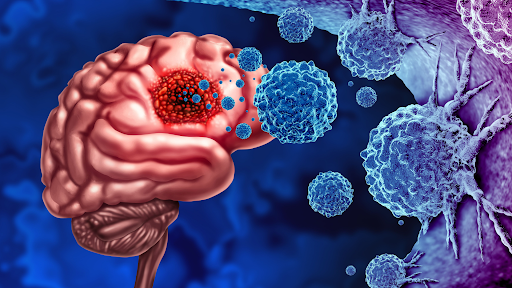
Glioblastoma (GBM) is one of the most aggressive malignant tumors of the central nervous system. Despite advances in cancer treatment, its standard approach—surgery when possible, followed by radiotherapy and chemotherapy—has remained largely unchanged for decades. Recurrence and resistance to treatment remain significant challenges.
Immunotherapy has transformed treatment for several types of cancer, raising interest in whether the immune system could also be harnessed against glioblastoma. However, GBM presents unique challenges that have limited the success of immunotherapy so far.
Increasingly, researchers are investigating whether combining different immunotherapy approaches could overcome some of these barriers.
Why Is Glioblastoma Difficult to Treat With Immunotherapy?
Immunotherapy works by helping the immune system recognize and attack cancer cells. In glioblastoma, however, several factors can interfere with this process.
One challenge is the blood-brain barrier (BBB), which tightly regulates what can enter the brain. Although the BBB can be disrupted within a glioblastoma, it may remain intact around infiltrating tumor cells, limiting the delivery of some therapies.
The tumor’s immune microenvironment presents another obstacle. GBM contains multiple cell types that can suppress immune activity, including tumor-associated macrophages, microglia, regulatory T cells, and myeloid-derived suppressor cells. At the same time, relatively few immune cells infiltrate the tumor, and some of those that do may exhibit signs of exhaustion.
Glioblastoma is also highly heterogeneous. Different tumor cells within the same tumor—and between different patients—can have different biological characteristics. This diversity can contribute to treatment resistance and makes it difficult to develop a single approach that works consistently across patients.
Why Have Single Immunotherapies Had Limited Success?
Immune checkpoint inhibitors have produced significant benefits in some cancers by releasing the “brakes” that prevent immune cells from attacking tumors.
However, this approach has not produced the same results in glioblastoma. The review describes several phase III trials in which checkpoint inhibitors such as nivolumab failed to demonstrate an overall survival benefit in the studied GBM populations. Therapeutic vaccine strategies have also produced disappointing results in several late-stage trials.
One possible explanation is that these therapies address only one part of a much more complex immune response.
For example, checkpoint inhibition may restore the activity of T cells, but this may not be sufficient if too few T cells reach the tumor or if the surrounding environment remains strongly immunosuppressive. This has led researchers to consider combinations that target several stages of the body’s antitumor immune response.
The Promise of Combination Strategies
Rather than relying on a single therapy, combination immunotherapy aims to address multiple barriers to an effective immune response.
Researchers are investigating combinations involving:
- Immune checkpoint inhibitors, which can restore T-cell activity
- Cancer vaccines, which can help stimulate tumor-specific immune responses
- Chemotherapy or radiotherapy, which may promote tumor antigen release
- Treatments targeting immunosuppressive cells or pathways
- Costimulatory therapies, which may enhance immune-cell activity
The underlying idea is that attacking different parts of the immune response may produce a stronger effect than targeting any single pathway alone.
Combining chemotherapy with immunotherapy
Temozolomide (TMZ), a standard chemotherapy used in GBM, has been extensively investigated in combination with immunotherapy.
Preclinical studies suggest that how chemotherapy is administered may matter. Standard systemic doses of TMZ can cause lymphopenia and T-cell exhaustion, potentially reducing the effectiveness of immunotherapy. In contrast, some animal studies found more encouraging results when lower or metronomic doses, or local delivery approaches, were combined with immune-based treatments.
These findings are promising but remain largely preclinical, meaning they cannot yet be assumed to translate directly into benefits for patients.
Combining different immunotherapies
Researchers are also exploring combinations of multiple immune-targeting treatments.
In animal models, combinations involving PD-1 blockade with other checkpoint targets such as LAG-3 or TIGIT have improved immune responses and survival compared with individual treatments in some studies. Other experimental combinations have paired checkpoint inhibitors with cancer vaccines, radiation, or therapies designed to modify the tumor microenvironment.
Some studies have produced particularly striking results in mouse models. However, these findings should be interpreted cautiously: success in an animal model does not establish that a treatment will be safe or effective in humans.
What Could Make Future Therapies More Effective?
The review suggests that future progress may depend on addressing some of the fundamental barriers that make GBM resistant to immunotherapy.
One important area is the tumor microenvironment. Researchers are investigating ways to modify immunosuppressive cells such as tumor-associated macrophages, as well as pathways involving angiogenesis, adenosine signaling, and other immune-regulating mechanisms.
Drug delivery is another major consideration. Because the blood-brain barrier can restrict the movement of therapeutic molecules into brain tissue, researchers are exploring approaches such as improved delivery systems, focused ultrasound, nanoparticles, and local administration strategies.
The Road Ahead
The experience of glioblastoma immunotherapy demonstrates that a promising treatment strategy in one cancer cannot necessarily be transferred directly to another.
While several immunotherapy approaches have shown limited benefit as stand-alone treatments for GBM, combination strategies are generating encouraging findings, particularly in preclinical research. The goal is to address the multiple mechanisms that allow glioblastoma to evade and suppress the immune response.
At the same time, the gap between promising laboratory results and successful clinical trials remains an important challenge. The review emphasizes that current animal models do not fully reproduce the complexity and heterogeneity of human glioblastoma, making better preclinical models an important part of future research.
Combination immunotherapy is therefore not yet a definitive answer for glioblastoma—but it represents an important direction in the search for more effective treatments. Continued research will be essential to determine which combinations can safely translate from experimental models into meaningful clinical trials and benefits for the patients.
Reference:
Bausart, M., Préat, V. & Malfanti, A. Immunotherapy for glioblastoma: the promise of combination strategies. J Exp Clin Cancer Res 41, 35 (2022). https://doi.org/10.1186/s13046-022-02251-2



0 Comments