

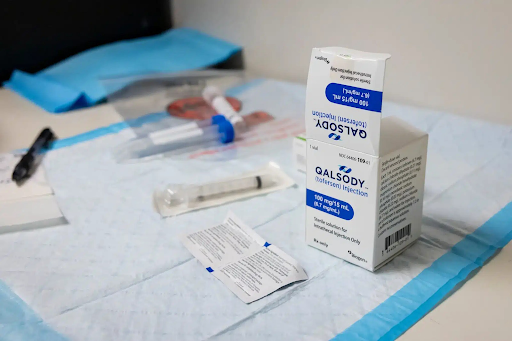
Amyotrophic lateral sclerosis (ALS) is a progressive neurodegenerative disease that affects nerve cells responsible for controlling voluntary muscle movement. While ALS has multiple genetic and non-genetic causes, approximately 1–2% of all ALS cases are associated with mutations in the SOD1 gene.
For people with SOD1-associated ALS, tofersen represents a targeted treatment approach designed to address the underlying genetic mechanism of the disease.
A recent real-world study provides encouraging evidence that treatment with tofersen may help slow disease progression and preserve neurological function over time.
How Does Tofersen Work?
Tofersen is an antisense oligonucleotide designed specifically for ALS associated with mutations in the SOD1 gene.
SOD1 mutations can cause the production of abnormal SOD1 protein, which contributes to processes involved in motor neuron damage. Tofersen works by binding to SOD1 messenger RNA and promoting its degradation, thereby reducing the production of SOD1 protein. The treatment is administered directly into the cerebrospinal fluid through intrathecal administration.
This targeted mechanism distinguishes tofersen from treatments that address ALS more broadly.
What Did the Real-World Study Examine?
Researchers at Washington University in St. Louis evaluated their clinical experience with seven patients with genetically confirmed SOD1-associated ALS who received tofersen.
The observational study followed patients receiving treatment in a clinical setting rather than under the controlled conditions of a randomized clinical trial. Researchers examined several measures, including:
- ALS functional status
- Muscle strength
- Functional independence
- Neurofilament levels, which can serve as biomarkers of neurodegeneration
The average duration of tofersen treatment was approximately 18 months, with individual treatment durations ranging from 7 to 30 months.
Sustained Changes in Neurofilament Levels
One of the most notable findings involved neurofilaments, proteins released into biological fluids when nerve cells are damaged.
All seven patients demonstrated substantial and sustained reductions in two neurofilament biomarkers:
- Serum neurofilament light chain (NfL): mean reduction of 57.9%
- Cerebrospinal fluid phosphorylated neurofilament heavy chain (pNFH): mean reduction of 67.6%
These findings support the potential value of neurofilaments as biomarkers for monitoring biological changes associated with neurodegeneration during tofersen treatment.
However, neurofilament reductions should not be interpreted on their own as proof of clinical improvement. Functional and neurological outcomes remain important when evaluating whether a treatment meaningfully benefits patients.
Evidence of Disease Stabilization
The researchers also assessed disease progression using the ALS Functional Rating Scale–Revised (ALSFRS-R).
The observational study reported an apparent stabilization of disease based on ALSFRS-R scores, with a mean change of 1.1 points. The treatment-associated rate of functional decline was also lower than the rate observed before treatment in the patients for whom sufficient data were available.
The observational study additionally reported an improvement in functional independence, measured using the Functional Independence Measure (FIM) motor score, with a mean increase of 5.13 points.
These findings suggest that some patients may experience not only slower disease progression but also meaningful preservation of function during treatment.
What Do These Findings Mean?
The observational study results add to growing evidence that targeting the underlying genetic mechanism of SOD1-associated ALS may influence the course of the disease.
The findings are particularly relevant because they were observed in a real-world clinical setting, where patients are treated outside the highly controlled environment of a clinical trial.
At the same time, the study has important limitations. Only seven patients were included, there was no untreated control group, and the study was observational and conducted at a single center. Some patients also received outpatient neuromuscular rehabilitation alongside tofersen, which means that improvements in functional measures cannot necessarily be attributed to tofersen alone.
These limitations mean that the findings should be viewed as supportive real-world evidence rather than definitive evidence of treatment efficacy.
Looking Ahead
The development of tofersen represents an important step toward genetically targeted treatment for ALS. The real-world findings suggest that sustained treatment may be associated with reductions in neurodegenerative biomarkers and stabilization or preservation of function in people with SOD1-associated ALS.
The observational study also highlights the potential role of neurofilament biomarkers in monitoring treatment response and disease biology.
As research continues, longer-term follow-up and larger patient populations will be important for determining the durability of these effects and identifying which patients are most likely to benefit.
For SOD1-associated ALS, tofersen demonstrates how advances in molecular understanding can translate into targeted therapeutic strategies—while also underscoring the importance of continued clinical research to understand their long-term impact.
Reference:
Smith SE, McCoy-Gross K, Malcolm A, Oranski J, Markway JW, Miller TM, Bucelli RC. Tofersen treatment leads to sustained stabilization of disease in SOD1 ALS in a “real-world” setting. Ann Clin Transl Neurol. 2025 Feb;12(2):311-319. doi: 10.1002/acn3.52264. Epub 2025 Jan 9. PMID: 39783194; PMCID: PMC11822806.


0 Comments